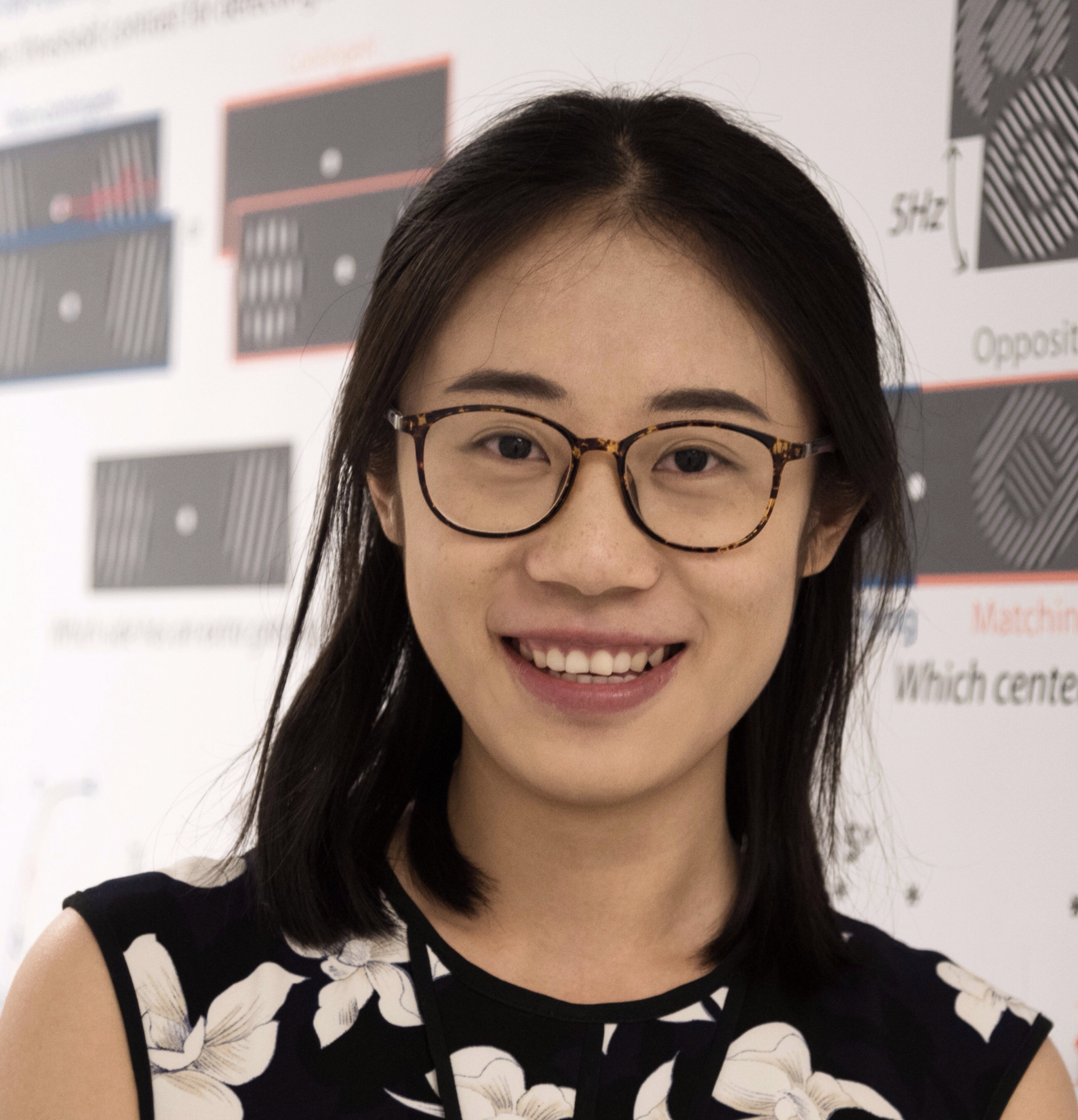
Qiong Cao
Qiong Cao is a SCSB Postdoctoral Fellow at MIT, co-advised by Drs. Josh Tenenbaum, Shari Liu, Laura Schulz, and Jesse Snedeker. Qiong did her PhD at Johns Hopkins University working with Dr. Lisa Feigenson. Qiong is interested in studying the development of representations and computations that support inference and learning, with a particular focus on the role of surprise on hypothesis updating. Currently, she is exploring how predictive abilities develop in typically developing and autistic children and adults, and how these abilities differ across physical and social domains.
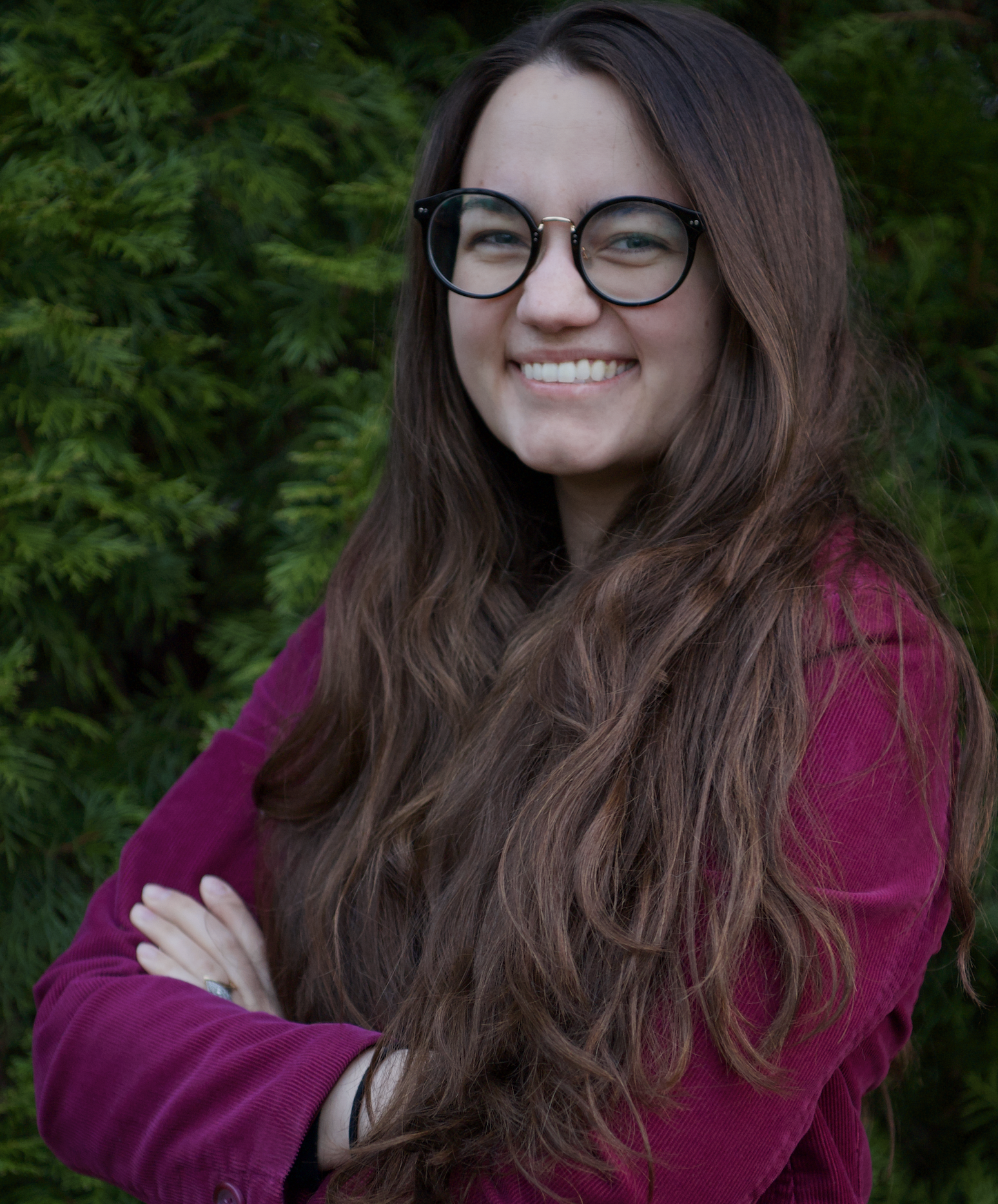
Amanda O’Brien
Amanda received her PhD in Speech and Hearing Bioscience and Technology from Harvard University. Before her PhD, Amanda earned her MS in Speech-Language Pathology from Boston University and worked as a speech pathologist and clinical researcher at Boston Children’s Hospital. Amanda is interested in understanding how speech and language develops, and how this development differs for people with communication challenges, such as autism. She uses behavioral and neuroimaging approaches to ask questions about the brain and behavioral foundations of speech and language.

Herrissa Lamothe
Herrissa Lamothe is a postdoctoral fellow with Josh Tenenbaum and Laura Schulz. She previously completed her Ph.D. at Princeton University in Sociology. She is interested in intuitive sociology, that she characterizes in terms of social kinds which include social categories (e.g. race, class, gender); and social meanings which capture our symbolic hypotheses about the ways in which we are socially connected. She is also interested in developing a theory of central cognition that imports insights from the structure of our social concepts; and posits a computational model architecture for how the mind acquires its concepts and categories – including its social ones.